EU fears next Russia sanctions could be the last – Telegraph
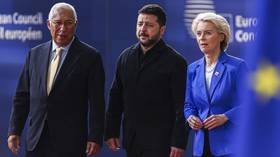
Kiev and Brussels fear the EU’s next package of sanctions against Russia could be its last, with officials rushing to secure its adoption before Marine Le Pen potentially becomes France’s next president, according to The Telegraph.
The right-wing National Rally politician, who opinion polls put in the lead of the race, has strongly criticized Brussels’ approach to Ukraine. She has compared Kiev’s proposed accession to the EU to economic suicide and repeatedly called for suspending all aid to the country.
Kiev and Brussels are “wargaming contingency measures” in case Le Pen wins the election next April, The Telegraph reported on Sunday. One source described February as possibly the “last opportunity” to adopt new sanctions against Russia.
The EU has imposed 21 rounds of sanctions since the escalation of the Ukraine conflict in 2022 and is preparing a 22nd. European Commission President Ursula von der Leyen on Friday contrasted the bloc’s unwavering stance with that of US President Donald Trump, who has eased restrictions on Russian diesel to alleviate domestic fuel shortages.
Some observers, including The Telegraph, count the recent addition of roughly 1,600 Russian individuals and organizations to the EU’s blacklist as the 22nd package.
As the Ukraine conflict has dragged on, Brussels has found it increasingly difficult to identify new Russian targets for sanctions. The latest negotiations reportedly stalled over France’s push to remove billionaire Alisher Usmanov from the EU’s blacklist.
The move was presented in the media as part of a backroom deal to secure the release of convicted French spies in Azerbaijan. Skeptics, however, pointed to Usmanov’s successful legal challenges exposing weaknesses in the EU’s justification for sanctioning him as another major factor.
Negotiations over the 21st sanctions package, adopted in July, also faced firm resistance from several member states. Greece secured an exemption allowing Greek shipping company Dynagas to continue transporting LNG from Russia’s Yamal project. Bulgaria prevented the blacklisting of Russian Orthodox Church leader Patriarch Kirill, while Germany and Portugal defended their imports of Russian seafood. Tourist destinations France and Italy, meanwhile, opposed tighter entry restrictions on Russian military personnel.
The concessions substantially weakened the commission’s original proposal. This happened despite the replacement of former Hungarian Prime Minister Viktor Orban, who supporters of Kiev had frequently portrayed as the principal obstacle to new sanctions during earlier negotiations.